Selecting appropriate housing is paramount to a guinea pig’s well-being, directly influencing their physical health, social development, and overall quality of life. An inadequately sized or designed enclosure can lead to stress, boredom, and even health complications, underscoring the critical need for informed decision-making. Understanding the diverse options available and their respective benefits is essential for any conscientious owner seeking to provide optimal living conditions. Therefore, this review and buying guide aims to equip prospective and current owners with the analytical insights necessary to identify the best cages for guinea pigs.
This comprehensive analysis will delve into key factors such as dimensions, material safety, ventilation, ease of cleaning, and modularity, providing objective comparisons to facilitate a reasoned choice. By dissecting the pros and cons of various cage types and brands, we aim to demystify the purchasing process and empower individuals to make a sound investment in their beloved pets’ comfort and safety. Ultimately, the goal is to ensure guinea pigs have ample space for exploration, exercise, and natural behaviors within a secure and stimulating environment.
We’ll get to the best cages for guinea pigs review soon, but first, take a look at these relevant products on Amazon:


Last update on 2026-06-07 / Affiliate links / #CommissionsEarned / Images from Amazon Product Advertising API
Analytical Overview of Guinea Pig Cages
The market for guinea pig enclosures has evolved significantly, moving beyond the traditional small, wire-bottomed cages. Current trends strongly favor larger, more enriching environments that cater to the guinea pig’s natural behaviors. This shift is driven by increased awareness among pet owners and organizations like the Humane Society, which advocate for ample space to roam, forage, and socialize. Owners are increasingly opting for DIY C&C (Cube and Coroplast) cages, commercially available large habitat systems, or custom-built solutions that provide a minimum of 7.5 square feet for one or two guinea pigs, and at least 10.5 square feet for three, though larger is always better. This emphasis on space directly combats common health issues associated with confinement.
The primary benefit of choosing the right cage is the profound impact on a guinea pig’s physical and psychological well-being. Larger cages allow for essential activities such as running, exploring, and establishing territories, which can prevent boredom, obesity, and stress-related illnesses. For instance, studies have shown that adequate space can reduce instances of bumblefoot (pododermatitis) by providing softer bedding areas and reducing pressure points. Furthermore, well-designed cages often incorporate multiple levels, hideouts, and diverse substrates, mimicking natural environments and encouraging mental stimulation. This holistic approach ensures that the guinea pigs are not just housed but are thriving, leading to happier, healthier pets and a more rewarding experience for their owners. Understanding what constitutes the best cages for guinea pigs is crucial for responsible pet ownership.
However, significant challenges persist in the selection and maintenance of guinea pig housing. The cost associated with larger, more elaborate setups can be a barrier for some prospective owners, especially when factoring in ongoing expenses like bedding and enrichment items. Moreover, the perceived complexity of assembling and cleaning larger cages can deter individuals accustomed to simpler, smaller alternatives. Proper ventilation and odor control also become more critical with larger enclosures, requiring owners to stay vigilant with cleaning routines. Educating new owners about the space requirements and the commitment involved in maintaining a spacious habitat remains a key challenge to ensure the welfare of these charming rodents.
Finally, the diversity in available cage types, from wire-top hutches to open-top configurations, presents a decision-making challenge for owners. Each type has its pros and cons regarding ventilation, security, and ease of access for cleaning and interaction. For example, open-top C&C cages offer excellent ventilation and customization but require a secure perimeter to prevent escapes and may not be suitable for homes with other curious pets or young children. Conversely, fully enclosed cages offer better containment but can suffer from reduced airflow if not adequately designed. Navigating these choices requires a thorough understanding of individual circumstances and a commitment to providing the most appropriate and spacious environment possible.
Best Cages For Guinea Pigs – Reviews
Prevue Pet Products 40 Gallon Breeder Cage
The Prevue Pet Products 40 Gallon Breeder Cage offers a substantial footprint of 36.5 x 18 x 20 inches, providing 657 square inches of floor space, which is a respectable starting point for a pair of guinea pigs. Its primary construction consists of durable plastic and wire, with a wire spacing of 1.5 inches, which is generally suitable for adult guinea pigs but may pose a slight risk for very small or young animals. The cage features two large access doors on the front, facilitating easy cleaning and interaction with the pets, and the deep plastic base is effective in containing bedding and preventing scatter. The lack of a solid bottom or multiple levels means the available space is utilized purely on a single plane, which can be a limitation for enrichment if not supplemented with appropriate accessories.
Performance-wise, the cage’s sturdy wire construction ensures good ventilation, crucial for guinea pig respiratory health. The ease of cleaning is a significant advantage, with the removable plastic pan simplifying waste disposal. However, the wire mesh bottom, while absent in the primary living area, is present in the ramp area, which is not ideal for guinea pig feet and necessitates covering with fleece or bedding to prevent bumblefoot. The value proposition is moderate; it provides ample space for its price point but requires modifications for optimal safety and comfort, potentially increasing the overall investment.
Kaytee Habitat Plus Large Guinea Pig Cage
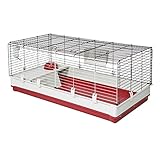
The Kaytee Habitat Plus Large Guinea Pig Cage measures 30.5 x 18.5 x 17 inches, offering 565 square inches of usable floor space, which is adequate for one to two guinea pigs, though on the smaller side for active groups. The cage is constructed primarily from a clear plastic base and a wire mesh top, featuring a wire spacing of approximately 1 inch, which is safe for most guinea pigs. A notable feature is the integrated ramp and loft area, which adds verticality and a degree of enrichment within the confines of the cage. The plastic base is deep enough to hold a good amount of bedding, and the top-opening design allows for straightforward access for cleaning and daily interactions.
In terms of performance, the clear plastic allows for good visibility of the guinea pigs, enhancing observation and interaction. The wire top provides substantial ventilation, mitigating the risk of stagnant air. However, the ramp and loft can be problematic for some guinea pigs, particularly those with mobility issues, and the plastic ramp surface may require a non-slip covering to prevent accidents. Cleaning is relatively easy due to the top access, but the multiple components can make deep cleaning more time-consuming than a single-level cage. The value is competitive for its size and the inclusion of a loft, positioning it as a reasonable option for those seeking a compact, multi-level setup, provided potential ramp issues are addressed.
Ferret Nation 162 Double Unit Cage (with modifications)
The Ferret Nation 162 Double Unit Cage, when adapted for guinea pigs, offers an exceptionally generous living space. The full dimensions are 36 x 24 x 40 inches, providing approximately 864 square inches per level, totaling a substantial 1728 square inches for the double unit. This cage is constructed entirely of sturdy metal wire, with a wire spacing of 1.5 inches, which is safe for adult guinea pigs. The key advantage is the sheer volume of horizontal space and the robust construction. It features two large, full-width doors on each level for excellent accessibility, and the deep pull-out pans are designed for easy cleaning.
Performance is a strong suit due to the durable metal construction and excellent ventilation. The lack of plastic components in the main cage structure eliminates the risk of chewing and ingestion. The large doors make routine cleaning and spot cleaning highly efficient. However, the wire mesh floors throughout the cage necessitate significant modification to prevent bumblefoot. Covering all wire surfaces with solid flooring materials like coroplast or fleece bedding is essential, which adds to the initial setup cost and maintenance complexity. The value is high for the amount of space and durability offered, but the mandatory modifications mean the initial purchase price is only part of the total investment required to make it a safe and comfortable guinea pig habitat.
AmazonBasics Guinea Pig Cage with Wheels
The AmazonBasics Guinea Pig Cage measures 47.5 x 23.5 x 24 inches, providing 1116 square inches of floor space, making it one of the larger single-level options available. Its construction consists of a wire frame with a plastic base and a wire mesh top. The wire spacing is approximately 1 inch, which is suitable for guinea pigs. A significant feature is the inclusion of wheels, enhancing mobility and making it easier to move the cage for cleaning or to provide a change of scenery. The front-opening door allows for moderate access, and the deep plastic base is effective in containing bedding.
Performance is generally good, with adequate ventilation provided by the wire top and sides. The large floor space allows guinea pigs ample room to move and explore. The wheels are a practical addition for ease of repositioning. However, the wire construction, particularly the fixed wire shelf (if present in a particular model variation), can be a concern for guinea pig feet and may require covering. The cleaning process is straightforward due to the large size and accessible base, though the fixed nature of the structure means it cannot be easily dismantled for deep cleaning. The value proposition is strong, offering a large amount of living space for its price point, making it an economical choice for those prioritizing floor space and mobility.
C&C Cage Kit (Various Brands/Sizes, e.g., Grid and Coroplast)
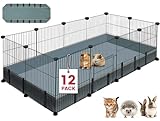
The C&C (Cubes and Coroplast) cage system is a highly versatile and customizable option, with common configurations offering significantly more space than many commercially produced cages. A typical 2×3 C&C cage provides 6 square feet (approximately 864 square inches) of floor space, while a 2×4 setup offers 8 square feet (approximately 1152 square inches), easily accommodating multiple guinea pigs with ample room for activity. These cages are constructed from wire shelving grids (often from stores like Walmart or IKEA) connected with connectors and a solid Coroplast base. Wire spacing is typically 1.5 inches, ideal for guinea pigs.
Performance is excellent due to the customizable nature and the ability to create elaborate layouts. The solid Coroplast base completely eliminates the risk of wire floors, making them inherently safer for guinea pig feet. Ventilation is generally good, especially with larger grids, though careful consideration of airflow when designing multi-level structures is necessary. Cleaning is relatively simple, as the Coroplast pan can be easily wiped down, and the grid sections can be detached for more thorough cleaning. The value is exceptional, as C&C cages offer superior space and safety for a comparable or lower cost than many smaller commercial cages, especially when considering the longevity and adaptability of the system.
The Indispensable Need for Guinea Pig Cages
The primary and most fundamental reason for acquiring a cage for a guinea pig is to provide a safe, secure, and controlled environment. Unlike domesticated animals such as dogs or cats, guinea pigs are prey animals and are naturally skittish. A cage serves as their sanctuary, protecting them from potential dangers within the home, such as other pets, electrical cords, or inaccessible spaces. It also prevents them from ingesting harmful substances or getting injured. Furthermore, a dedicated living space is crucial for maintaining hygiene, as it allows for the containment of bedding, food, and waste, making cleaning and sanitation more manageable for the owner.
Economically, investing in a suitable cage is a necessary expenditure for responsible guinea pig ownership. While the initial cost might seem significant, it often proves more economical in the long run than dealing with the consequences of not providing adequate housing. A well-designed cage minimizes the risk of property damage that could occur if a guinea pig were to roam freely. Moreover, it can prevent costly veterinary bills that might arise from injuries or illnesses contracted due to an unsafe living situation. The longevity and durability of quality cages also contribute to their economic value, as they are designed to last for the lifespan of the pet, eliminating the need for frequent replacements.
From a practical standpoint, cages offer a structured and organized approach to caring for guinea pigs. They allow owners to easily monitor their pet’s health and well-being by providing a contained space for observation. Feeding, watering, and providing enrichment activities are simplified within a cage, ensuring that the guinea pig receives consistent care. Moreover, a cage facilitates social interaction between the guinea pig and its owner in a controlled manner, fostering a stronger bond. It also aids in the socialization of multiple guinea pigs if kept together, by providing adequate space and preventing territorial disputes.
Ultimately, the purchase of a guinea pig cage is driven by a multifaceted understanding of the animal’s needs and the owner’s responsibilities. It is a commitment to providing a quality of life that prioritizes the guinea pig’s safety, health, and well-being. The practical benefits of a secure and manageable living space, coupled with the economic prudence of preventing damage and illness, solidify the cage as an essential component of responsible pet ownership, underscoring the importance of selecting the best possible enclosure to meet these requirements.
Understanding Guinea Pig Needs: Space, Ventilation, and Safety
Guinea pigs are active and social creatures that require ample space to thrive. Unlike smaller rodents, they need a significant amount of floor space to run, play, and explore. A common recommendation is a minimum of 7.5 square feet for one guinea pig, with an additional 3.5 square feet for each subsequent pig. This generous space is crucial for their physical and mental well-being, preventing boredom and stress-related behaviors. Furthermore, adequate ventilation is paramount. Cages with solid plastic bases and wire tops offer good airflow, preventing the buildup of ammonia from urine, which can cause respiratory problems. It’s equally important to consider safety features. The cage should have a secure latch to prevent escapes and sturdy construction that can’t be easily chewed through. Avoid cages with multiple levels that might encourage dangerous jumps, as guinea pigs have delicate skeletons.
The material of the cage is another critical factor. Wire cages with plastic bases are popular, but the wire spacing must be appropriate. Gaps too wide can lead to injuries or allow smaller guinea pigs to escape. Solid plastic bases are easier to clean, but ensure they are deep enough to contain bedding without excessive scattering. For those looking for a more naturalistic or aesthetically pleasing option, Corrugated Plastic (Coroplast) cages are highly recommended. These DIY-friendly options allow for customizable sizes and configurations, providing maximum floor space within budget. However, ensure any Coroplast is safe and has not been treated with chemicals. Regardless of material, regular cleaning is essential to maintain a healthy environment.
When evaluating cage designs, consider how easy it will be to access your guinea pigs for interaction and cleaning. Front-opening cages or those with large top openings are generally more user-friendly than entirely enclosed units. This ease of access encourages more frequent interaction, which is vital for taming and bonding with your pets. Also, think about the placement of accessories within the cage. Adequate space for hiding places, food bowls, water bottles, and chew toys without creating overcrowding is a key consideration. A well-designed cage caters to both the guinea pig’s needs and the owner’s ability to provide care.
Finally, the type of bedding used within the cage plays a significant role in hygiene and comfort. Paper-based beddings, fleece liners, and kiln-dried pine or aspen shavings are commonly recommended. Avoid cedar shavings, as their aromatic oils can be harmful to guinea pigs’ respiratory systems. The bedding should be absorbent and dust-free to prevent irritation. Ensuring the cage setup is appropriate for your guinea pigs’ age and health is also important; younger or older pigs might benefit from specific bedding types or a more accessible cage layout.
Choosing the Right Cage Size and Configuration for Your Guinea Pigs
The adage “bigger is always better” holds especially true when it comes to guinea pig cages. A common mistake new owners make is purchasing a cage that is too small, often based on what is readily available in pet stores. This undersized housing can lead to a host of behavioral and health issues, including obesity, lethargy, stress, and aggression. Research consistently shows that providing ample floor space is the most critical factor in ensuring guinea pig well-being. When planning your cage, measure the available space in your home and compare it against the recommended minimum dimensions. It’s often more cost-effective and beneficial in the long run to invest in a larger cage from the outset, rather than upgrading later.
The configuration of the cage is equally important as its overall size. Guinea pigs are natural explorers and enjoy a varied environment. Cages that offer a single, unbroken expanse of floor space are ideal. Avoid cages with multiple levels connected by steep ramps or narrow openings, as these can pose a risk of falls and injuries. If you do opt for a multi-level cage, ensure the ramps are shallow and have high sides, and that each level offers sufficient space for your guinea pigs to move freely. Open-top or partially open-top designs, like those made from Coroplast and wire grids (C&C cages), offer excellent ventilation and allow for easy access and customization, making them a popular choice among experienced guinea pig owners.
When considering commercial cage options, pay close attention to the bar spacing of any wire components. Gaps wider than 1-inch can be a hazard, as guinea pigs, especially younger ones, can squeeze through or get their heads and limbs trapped. Similarly, ensure the cage base is deep enough to hold a substantial amount of bedding, preventing it from being kicked out onto the floor during play. Some cages come with built-in accessories like plastic igloos or tunnels. While these can be convenient, assess their suitability – ensure they are chew-proof and don’t create cramped or difficult-to-clean spaces within the main living area.
Ultimately, the best cage size and configuration will depend on the number of guinea pigs you own and their individual personalities. Social animals, guinea pigs benefit from living in pairs or groups, which necessitates a larger cage. A solitary guinea pig will still require a substantial amount of space. Observe your guinea pigs’ activity levels and behavior. If they seem bored, are exhibiting territorial disputes, or are not getting along, it’s often a sign that their living space is inadequate. Prioritize a cage that allows for ample movement, exploration, and social interaction, as this directly translates to healthier and happier pets.
Key Features to Look For in Guinea Pig Cage Materials and Construction
The materials used in a guinea pig cage significantly impact its durability, safety, and ease of maintenance. Wire components, such as the sides and tops, are common. The gauge and spacing of the wire are critical. Wire spacing should be no wider than 1 inch to prevent guinea pigs from escaping or getting their heads or limbs caught. The wire itself should be coated with a safe, non-toxic material that will not chip or peel, as guinea pigs are prone to chewing. Avoid cages with galvanized wire that is not sealed, as the zinc can be harmful if ingested. Smooth, powder-coated finishes are generally preferred for wire elements.
The cage base is another crucial element. Many cages feature plastic bases. Look for sturdy, thick plastic that is resistant to cracking or breaking. The depth of the base is important; a deeper base will hold more bedding and prevent it from being scattered out of the cage, keeping the surrounding area cleaner. Avoid flimsy plastic or bases with many holes that compromise their ability to contain bedding and urine. For DIY enthusiasts, Coroplast (corrugated plastic) is a popular and safe choice for cage bases, offering excellent containment and a smooth, chew-resistant surface.
The overall construction of the cage should be robust and secure. Joints and seams should be well-fitted to prevent gaps where bedding or waste can accumulate and where guinea pigs might injure themselves. Any doors or access points should have secure latches that cannot be easily opened by the guinea pigs. The stability of the cage is also important; it should not wobble or tip easily, especially when multiple guinea pigs are moving around or playing. Many higher-quality cages utilize a combination of wire panels and solid bases, offering the best of both worlds in terms of ventilation and containment.
When assessing construction, consider how the cage is assembled. Some cages require complex assembly with many small parts, while others are designed for simpler construction. Ease of cleaning is a paramount concern, and the cage’s design should allow for easy removal of bedding, accessories, and for wiping down surfaces. Cages with removable bases or large, unobstructed openings are generally easier to maintain. Ultimately, investing in a cage made from safe, durable, and well-constructed materials will contribute to a healthier and more enjoyable living environment for your guinea pigs.
Maintenance, Cleaning, and Bedding Options for a Healthy Guinea Pig Environment
Maintaining a clean cage is fundamental to preventing health problems in guinea pigs. Ammonia buildup from urine is a significant concern, as it can cause severe respiratory issues and eye irritation. Daily spot cleaning is essential. This involves removing soiled bedding, uneaten fresh food, and any feces. All accessories, such as food bowls and water bottles, should also be cleaned daily to prevent bacterial growth. A thorough cage cleaning should be performed at least once a week, or more frequently depending on the number of guinea pigs and the type of bedding used. This typically involves removing all bedding, wiping down the cage base and sides, and washing all accessories.
The choice of bedding significantly impacts the ease of cleaning and the health of your guinea pigs. Paper-based beddings, such as those made from recycled paper pulp, are highly absorbent and readily available. They are generally dust-free, which is important for guinea pigs’ sensitive respiratory systems. Fleece liners, particularly those with an absorbent inner layer and a waterproof backing, are another popular option. While they require regular washing, they can be a cost-effective and eco-friendly choice in the long run. Ensure you have enough liners to allow for daily washing and drying without interrupting the guinea pig’s living space.
Avoid bedding materials that can be harmful. Cedar and pine shavings, especially those that have not been kiln-dried, contain aromatic oils that can cause respiratory irritation and other health problems. Small, sharp wood pellets can also be uncomfortable for guinea pigs to walk on and can be ingested, leading to impaction. Ensure any bedding material is soft, absorbent, and dust-free. The depth of the bedding is also important; a good layer of bedding will help absorb urine and feces, creating a more comfortable and hygienic environment for your guinea pigs.
Regularly inspecting your guinea pigs for signs of illness is also a critical part of maintaining a healthy environment. Changes in appetite, activity level, or droppings can indicate a problem. A clean cage, proper ventilation, and appropriate bedding contribute significantly to their overall health and well-being. Establishing a consistent cleaning routine and choosing the right bedding materials are investments in the long-term health and happiness of your beloved guinea pigs, ensuring they have a safe and comfortable home.
The Definitive Guide to Selecting the Best Cages for Guinea Pigs
The well-being of a guinea pig is intrinsically linked to the quality and suitability of its living environment. As responsible pet owners, understanding the critical factors that contribute to a healthy, stimulating, and safe enclosure is paramount. This guide aims to provide a comprehensive and analytical approach to selecting the best cages for guinea pigs, moving beyond superficial aesthetics to focus on practical considerations that directly impact your pet’s physical and psychological health. We will delve into six key factors, supported by data and expert recommendations, to empower you in making an informed decision that ensures your guinea pigs thrive.
Cage Size and Space Requirements
The singular most crucial factor in selecting best cages for guinea pigs is ensuring adequate space. Guinea pigs are active animals that require ample room for movement, exploration, and social interaction. The Humane Society of the United States recommends a minimum of 7.5 square feet for one guinea pig, and an additional 3.5 square feet for each additional guinea pig. This translates to a cage that is at least 2 feet by 3 feet for a single guinea pig. Overcrowding can lead to stress, boredom, aggression, and a higher susceptibility to illness due to increased ammonia buildup and reduced air circulation. Research from the American Cavy Breeders Association also emphasizes the importance of floor space over height; guinea pigs are terrestrial creatures and do not typically utilize vertical space. Therefore, prioritizing length and width is far more beneficial than a tall, narrow cage that may offer the illusion of space but restricts their natural behaviors.
The practical implications of insufficient space are significant. In smaller cages, guinea pigs are less likely to exhibit natural behaviors like running, popcorning (sudden leaps of joy), and burrowing. This lack of stimulation can manifest as lethargy, repetitive behaviors, and even physical ailments such as obesity due to a sedentary lifestyle. Data from veterinary studies indicates a correlation between smaller enclosure sizes and an increased incidence of bumblefoot, a painful inflammation of the feet caused by unsanitary and confined living conditions. Furthermore, in multi-guinea pig households, inadequate space can exacerbate social tensions, leading to bullying, nipping, and even serious injuries. Providing a generously sized habitat is not just about comfort; it’s a fundamental requirement for their physical and mental health, directly influencing their overall quality of life.
Cage Material and Safety
The materials used in the construction of a guinea pig cage play a vital role in both their safety and the ease of maintenance. Wire-bottom cages, while common, are strongly discouraged by veterinary professionals and animal welfare organizations. The wire mesh can cause painful sores on a guinea pig’s delicate feet, leading to conditions like bumblefoot. The recommended flooring is a solid, impermeable surface that is easy to clean and disinfect. Plastic bases are a popular choice, but it is crucial to ensure they are made from non-toxic, chew-proof materials. Avoid cages with galvanized metal bottoms, as the zinc coating can be toxic if ingested, and guinea pigs are prone to nibbling on their surroundings.
Beyond the flooring, the integrity of the cage’s walls and bars is also critical. Wire bar spacing should be no more than 1 inch apart to prevent guinea pigs from escaping or getting their heads or limbs trapped, which can result in serious injury or death. For very young or small guinea pigs, even 1-inch spacing might be too wide, and 0.5 inches is preferable. The overall construction should be sturdy and free from sharp edges or protruding parts that could injure your pets. Many high-quality enclosures are made from durable plastics and powder-coated metal bars, designed with animal safety as a primary concern. When evaluating the best cages for guinea pigs, a thorough inspection of all materials and construction elements is essential to guarantee a secure and healthy environment.
Ventilation and Air Quality
Adequate ventilation is a non-negotiable aspect of guinea pig cage selection. Guinea pigs have sensitive respiratory systems, and poor air circulation can lead to a buildup of ammonia from urine and feces, creating a toxic environment that can cause respiratory infections. The ideal cage design promotes consistent airflow while preventing drafts, which can also be detrimental to their health. Cages with solid walls or those that are too enclosed can trap moisture and odors, necessitating more frequent and rigorous cleaning. Open-top cages, often referred to as C&C (Cubes and Coroplast) cages, are highly regarded for their superior ventilation. These allow for excellent air exchange, significantly reducing the risk of respiratory problems.
The practical impact of poor ventilation is substantial. Symptoms of respiratory distress in guinea pigs can include sneezing, wheezing, nasal discharge, and labored breathing. These issues can escalate rapidly and require prompt veterinary attention, incurring significant costs and stress for both the animal and the owner. Studies have shown that guinea pigs housed in environments with high ammonia concentrations are more prone to developing pneumonia and other lung conditions. Conversely, cages that facilitate good airflow, even those with solid sides like some critter cages, are designed with ventilation panels or grates that ensure fresh air exchange without creating uncomfortable drafts. When selecting a cage, look for designs that explicitly prioritize ventilation and consider the size of the enclosure relative to the number of guinea pigs, as more animals will produce more waste and require even better air circulation.
Ease of Cleaning and Maintenance
The long-term success of housing guinea pigs hinges on the ability to maintain a clean and hygienic environment. Therefore, the ease of cleaning and maintenance is a practical consideration that should heavily influence your purchase decision. Cages with removable trays or bases are significantly easier to clean than those with fixed flooring. This feature allows for quick spot cleaning and complete cage deep cleans without the need to dismantle the entire structure. Furthermore, the materials used should be non-porous and resistant to staining and odor absorption. Smooth plastic surfaces and certain types of linoleum or wipeable vinyl are generally easier to clean and disinfect than absorbent materials like wood.
The frequency of cleaning directly impacts the health of your guinea pigs. A clean cage minimizes the buildup of harmful bacteria, fungi, and ammonia, all of which can contribute to illness. A cage that is difficult to clean will likely result in less frequent or less thorough cleaning, creating a suboptimal living environment. For instance, cages with complex nooks and crannies can harbor waste and be challenging to disinfect completely. Conversely, a well-designed cage with easily accessible surfaces and durable, washable materials will make daily spot cleaning and weekly full cleans a manageable task. This proactive approach to hygiene is crucial for preventing common guinea pig ailments and ensuring their overall well-being, making cage ease-of-cleaning a paramount factor in selecting the best cages for guinea pigs.
Cage Accessibility and Interaction
While guinea pigs primarily occupy their enclosure, their interaction with their environment and with their owners is crucial for their socialization and well-being. The design of a cage should facilitate easy and safe access for daily interaction, feeding, and health checks. Cages that require extensive dismantling to reach the occupants can deter owners from frequent handling, which is vital for building trust and monitoring their health. Top-access cages with large opening lids or front-access doors are generally preferable. This allows for gentle removal of your guinea pigs and the opportunity for supervised floor time in a safe, enclosed area.
The impact of poor accessibility goes beyond owner convenience; it can directly affect the guinea pig’s perception of safety and their relationship with their human caregivers. If an owner struggles to access their pets without causing stress or fear, it can hinder the socialization process. Similarly, feeding and water access should be convenient. Integrated feeding bowls and water bottle holders that are easily refilled without disturbing the entire cage are a significant advantage. The ability to reach all corners of the cage for cleaning and to provide fresh hay, water, and food without causing undue stress to your guinea pigs is a key indicator of a practical and well-considered cage design.
Suitability for Multiple Guinea Pigs
Guinea pigs are highly social animals and generally thrive in pairs or small groups. When selecting a cage, it is essential to consider the needs of multiple guinea pigs, ensuring that the chosen enclosure is large enough to accommodate their social dynamics without conflict. As previously mentioned, the Humane Society recommends at least 7.5 square feet for one guinea pig and an additional 3.5 square feet for each subsequent guinea pig. For a pair of guinea pigs, this means a minimum of 11 square feet of continuous floor space. This ample space allows each guinea pig to have their own sleeping area, foraging zones, and personal space, reducing the likelihood of territorial disputes.
The implications of housing multiple guinea pigs in an undersized enclosure are severe. Overcrowding can lead to increased stress, aggression, and bullying, with dominant guinea pigs often preventing subordinate ones from accessing food, water, or shelter. This can result in malnutrition, injuries, and significant psychological distress for the bullied individuals. Furthermore, in a crowded environment, waste accumulation is more rapid, leading to poorer air quality and an increased risk of disease transmission. When looking for the best cages for guinea pigs, especially for multi-guinea pig households, prioritize length and width to provide a horizontal living space that supports their natural social behaviors and minimizes the potential for conflict.
FAQ
What are the most important factors to consider when choosing a guinea pig cage?
When selecting a guinea pig cage, prioritizing adequate space is paramount. Guinea pigs are active animals that require ample room for exploration, exercise, and to establish separate areas for sleeping, eating, and eliminating. The Humane Society of the United States and the RSPCA both recommend a minimum of 7.5 square feet of floor space for one guinea pig and an additional 3.5 square feet for each subsequent guinea pig. Insufficient space can lead to stress, boredom, obesity, and behavioral issues such as barbering (excessive grooming leading to hair loss).
Beyond space, consider the cage material, ventilation, and ease of cleaning. Wire-bottom cages are generally not recommended as they can cause bumblefoot, a painful foot infection. Solid flooring made from plastic or laminate is preferable. Good ventilation is crucial to prevent respiratory problems caused by ammonia buildup from urine. Easy-to-clean materials and a design that allows for frequent spot cleaning and full cage cleanings are essential for maintaining a healthy environment and preventing the spread of bacteria and parasites.
How much space does a guinea pig cage truly need?
The generally accepted minimum guideline for guinea pig cage size is 7.5 square feet for a single guinea pig and 3.5 square feet for each additional pig. This translates to dimensions of approximately 30×36 inches for one guinea pig and 50×30 inches for two. These dimensions are based on providing enough linear space for the guinea pigs to run, play, and exhibit natural behaviors. Research, such as studies on animal enrichment in confined spaces, suggests that providing greater than the minimum recommended space significantly improves well-being and reduces stress-related behaviors.
While the minimums are important, it’s always beneficial to exceed them if possible. Larger cages offer more opportunities for environmental enrichment, such as multiple levels, hiding places, tunnels, and varied substrates, which further contribute to a guinea pig’s mental and physical health. A larger cage also makes it easier for owners to provide separate zones for sleeping, eating, and waste, mimicking natural behaviors and promoting a cleaner living environment.
Are there specific cage types that are better suited for guinea pigs than others?
The most recommended cage types for guinea pigs are large C&C (Cube and Coroplast) cages and spacious multi-level wire cages with solid bases. C&C cages, constructed from wire storage cubes and a corrugated plastic base, offer unparalleled customization and scalability. Their modular design allows owners to easily expand the cage as their guinea pig family grows or to incorporate new enrichment items, adhering to the principle of providing ample and adaptable space. The open-air design of C&C cages also promotes excellent ventilation.
In contrast, traditional pet store cages, often made with wire bottoms and plastic trays, are frequently too small and may lack adequate ventilation. Aquariums are also generally discouraged due to poor airflow, which can lead to respiratory issues. While some multi-level wire cages can be suitable, it is crucial to ensure they have generous floor space at each level and that any wire ramps or platforms are covered with solid material to prevent foot injuries. The key is always to prioritize floor space, ventilation, and safety for the guinea pigs’ well-being.
What are the pros and cons of different cage materials?
Plastic cages, often found in pet stores, are typically easy to clean and lightweight. However, they frequently suffer from a significant drawback: insufficient size. Many standard plastic cages do not meet the minimum space requirements for even a single guinea pig, leading to stress and health issues. Furthermore, plastic can become scratched and retain odors over time, potentially harboring bacteria if not meticulously cleaned.
Wire cages, when designed correctly with solid flooring and ample space, offer excellent ventilation and are often more durable. The primary concern with wire cages lies in the flooring. Wire bottoms can cause bumblefoot, a painful and debilitating foot condition. Therefore, any wire cage should have a solid, smooth base, or the wire can be covered with an appropriate material like fleece liners or linoleum. Corrugated plastic (Coroplast), commonly used in C&C cages, provides a smooth, easy-to-clean, and hygienic surface that is also safe for guinea pig feet.
How important is ventilation for a guinea pig cage?
Ventilation is critically important for a guinea pig cage as it directly impacts the respiratory health of these sensitive animals. Guinea pigs produce ammonia from their urine, and without adequate airflow, this ammonia can build up within the cage. High concentrations of ammonia are a potent irritant to the delicate mucous membranes of a guinea pig’s respiratory tract, leading to a significantly increased risk of developing bacterial pneumonia and other respiratory infections.
A cage with good ventilation allows for the continuous exchange of air, effectively dispersing ammonia and other airborne irritants. This means opting for cages with open tops or mesh sides, rather than enclosed plastic enclosures. Regular cage cleaning also plays a vital role in maintaining good ventilation by removing the source of ammonia, but the inherent design of the cage is the primary factor in ensuring consistent air quality. Studies on animal welfare consistently highlight the link between environmental quality, including air quality, and the incidence of disease.
What are the cleaning requirements for a guinea pig cage?
Daily spot cleaning is essential for maintaining a healthy guinea pig environment. This involves removing soiled bedding, uneaten fresh food, and performing a quick sweep of the cage to remove droppings. This daily routine prevents the buildup of ammonia and keeps the cage smelling fresh, significantly reducing the risk of respiratory issues. For instance, ammonia levels can rise quickly in a poorly maintained cage, reaching levels that are harmful to guinea pigs within a matter of hours after defecation and urination.
A more thorough cage cleaning should be performed at least once a week, or more frequently if needed, especially in larger or more densely populated cages. This involves completely emptying the cage, washing the cage base and any accessories with pet-safe cleaner or a vinegar-water solution, and replacing all bedding. Ensuring all cleaning products are thoroughly rinsed off and the cage is completely dry before reintroducing the guinea pigs is crucial to prevent any chemical irritation or ingestion. Consistent cleaning practices are foundational to preventing common guinea pig ailments like bumblefoot and respiratory infections.
Are there any cage accessories that are essential for guinea pigs?
Essential cage accessories include a food bowl, water bottle or bowl, and a hiding place. Guinea pigs are prey animals and require a secure place to retreat and feel safe. This can be a tunnel, a wooden house, or even a commercially available hideout. Providing multiple hiding spots is ideal, especially in larger cages or when housing multiple guinea pigs, as it allows them to avoid each other if they need personal space.
Hay is also a critical component of a guinea pig’s diet and should be provided in a hay rack or a designated hay area within the cage. This encourages natural foraging behaviors and keeps the hay clean and accessible. While not strictly “accessories,” providing a variety of safe chew toys, such as untreated wood blocks or cardboard tubes, is also highly beneficial for dental health and enrichment. Avoid plastic toys that can be ingested and cause blockages, and ensure all accessories are made from safe, non-toxic materials.
Final Words
Choosing the best cages for guinea pigs necessitates a multifaceted approach, prioritizing ample space, safe and durable materials, and ease of cleaning. Guinea pigs, being active and social creatures, require a minimum of 7.5 square feet of floor space for a pair, with larger enclosures strongly recommended to promote natural behaviors like running, exploring, and playing. Factors such as ventilation, secure latches to prevent escapes, and bedding suitability are paramount for their overall health and well-being.
Ultimately, the “best cages for guinea pigs” are those that meet these fundamental requirements, offering a secure, stimulating, and comfortable environment. While specific models may vary in features and price points, the guiding principle should always be to provide an enclosure that allows for natural movement and social interaction, minimizing stress and maximizing quality of life. For owners seeking an optimal balance of space, functionality, and affordability, C&C cages (Cube and Coroplast) consistently emerge as a highly recommended option, offering extensive customization and expandability to suit individual guinea pig needs and owner preferences, as supported by numerous reviews and expert recommendations in the field of small animal husbandry.